Ransomware hit a US water plant, then spread to the local government behind it
A new, fast-spreading ransomware brand reached the local government’s network. That’s where our MDR team cut it off.
Hiep Hinh
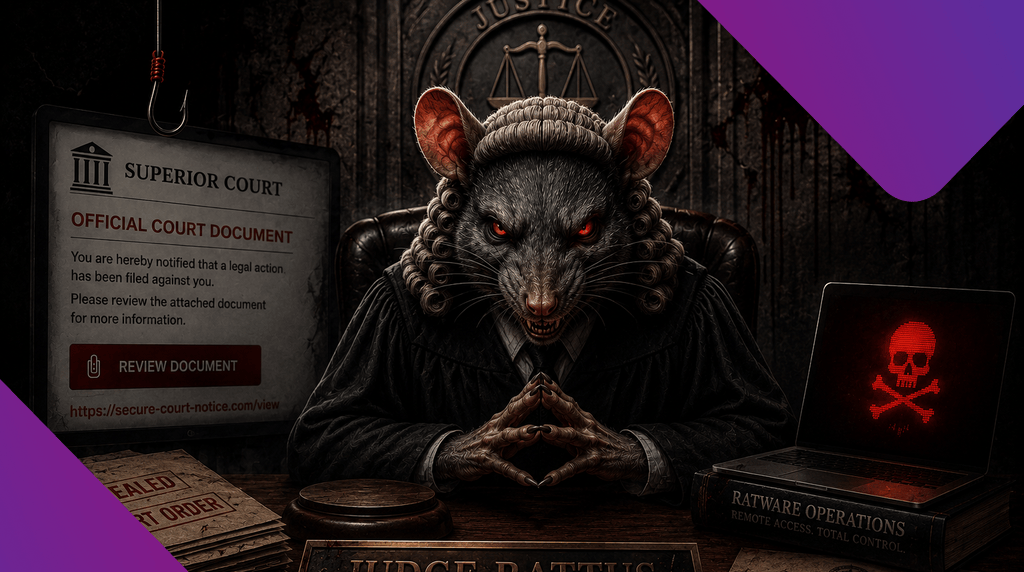
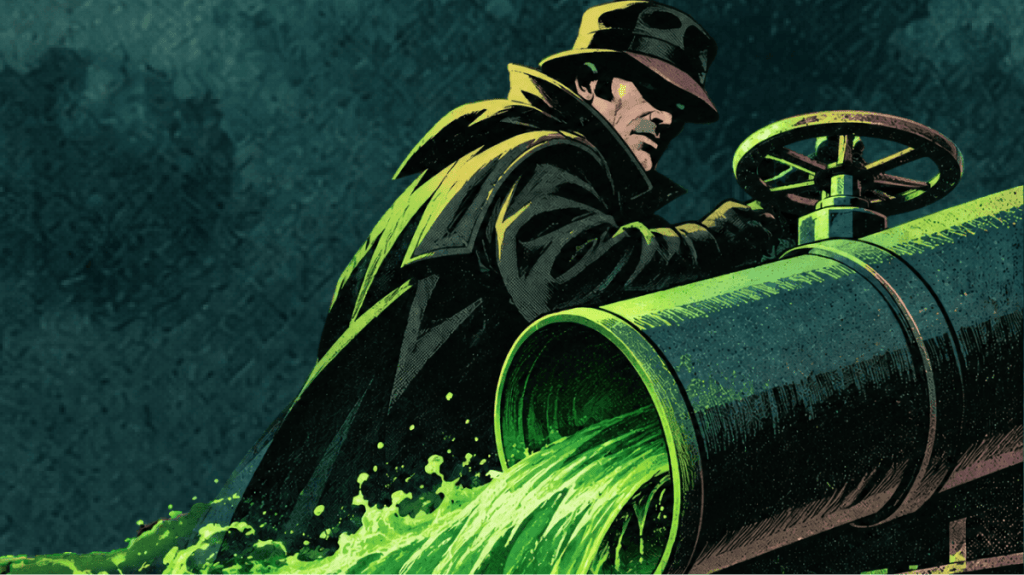
Ransomware hit an East Coast water treatment plant in November, as attacks on water systems pile up across the country. From there, it reached the network of the local government that oversees the plant.
The ransomware was Booba, which only appeared this summer and already accounts for 44% of the ransomware compromises our analysts have handled over the last 90 days. Our MDR team locked down 48 machines at once and saved 45 of them.
Water systems are a target our team rarely sees, but they’ve become a growing one. In July alone, CISA saw attackers go after more than 100 internet-exposed water and wastewater systems, and Minnesota reported a coordinated attack on more than 30 of its community water systems. Some of those attacks led to boil water notices and forced operators to run systems by hand. There’s no evidence of anything like that here.
In this case, Booba had a head start nobody on our side could see.
Our analysts see ransomware arriving from machines with no agent more and more often. When our agent is on the machine where an attack starts, they have a chance to stop it while it’s still being staged, before anything is encrypted. A machine without our agent gives them nothing to see. And ransomware doesn’t check who manages a machine before it moves.
The attack stopped where our coverage began
The network was split in two, something our analysts learned only when they called the customer. The local government’s side, home to its records and personal data, was under the watchful eye of ThreatDown MDR. The water treatment plant’s side, with no ThreatDown oversight, was managed by a separate provider, and that’s where the attack was staged and launched.
On the plant’s side, every computer went offline temporarily while its provider remediated on site. On the local government’s side, the first sign of the attack was the encryption itself, at the exact line where our coverage began. Three machines past that line, it stopped.
Straight to lockdown, and the line held
Two or three alerts arrived in quick succession, flagging ransomware and files being encrypted. One machine had nearly every file renamed to .booba, and the encryption was coming from another computer on the same network that had never had our agent installed.
With nothing to investigate, the team isolated 40 workstations and eight servers in one sweep from the Nebula console. Three machines were already encrypted. The other 45 were saved, and no further alerts followed. Next, they sent commands to try to roll back the three encrypted machines.
When the customer asked to start reconnecting machines, our analysts advised waiting until the plant’s side was confirmed clean. They couldn’t vouch for a part of the network they couldn’t see.
Our team’s assessment is that without MDR, every machine on the local government’s side would have been encrypted, records and personal data included. Recovery would have meant reimaging every system, restoring from backups if usable ones existed, and running a full incident response.
Booba is spreading fast
Booba has turned up in 44% of the ransomware compromises our team has handled over the last 90 days. Our analyst thinks its ease of use may explain the spread.
Outside our caseload, the surge shows up too. SOCRadar, which tracks it as the Booba Project, had counted 81 claimed attacks by Nov. 17, with local governments among the targets.
The motive is still an open question
“We weren’t chasing smoke here,” our analyst said of the first alerts. “We were seeing flames.” But whether the fire was the point is a question the evidence doesn’t answer. Our team has no forensic access to the plant’s systems.
No indicators point to a nation-state actor, and Booba is a criminal ransomware brand. Still, water systems have drawn state-backed attackers before, including the group that breached a small water authority in 2023, according to a multiagency advisory.
Ransomware lands where coverage ends
This attack got in through the part of the network we couldn’t see. We stopped it three machines into the part we could. For anyone running systems a community depends on, it’s worth knowing exactly where that line falls.


Sign up to get the latest threat intelligence.
Subscribe to newsletter